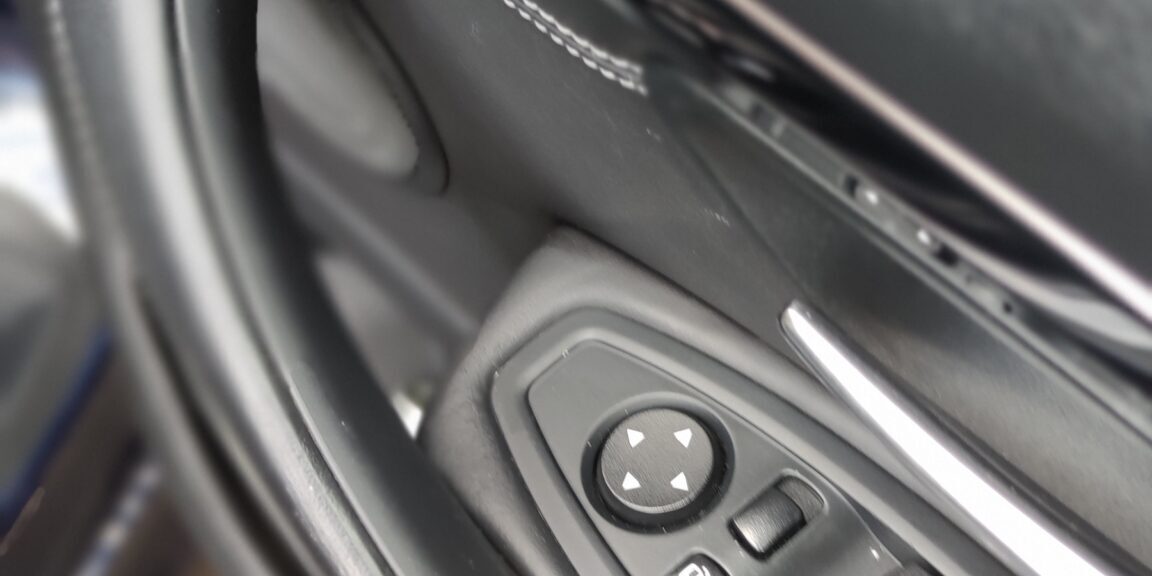
Interior Trims Plastics Restoration

Plastics restoration typically refers to reviving faded, oxidized, scratched, or weathered plastic surfaces—most commonly on vehicles – Stitched by Wash specializes in interior trims plastics restoration.
Most common causes of faded plastics in vehicle interior plastics are UV exposure, weather, over exposure to sun, cleaning scratches, luggage scratches, dusts and age cause plastics to lose oils and colour, turning greyish or chalky. Stitched by Wash Plastics restoration goal is to clean, restore color/shine, repair damage if needed, and protect against future fading.
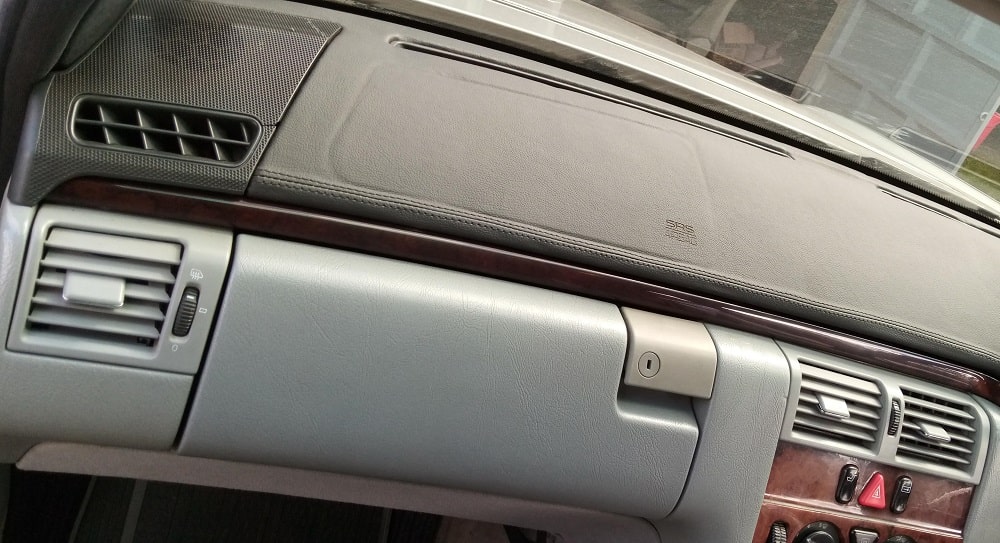
Common Scenarios
Car/vehicle interior plastics common colors are black, grey, brown, chocolate brown, beige, off- white and silver and gold trims. Stitched by Wash through a detailed process, ensures that your car plastics are fully restored back to new through a series of detailed restoration process.
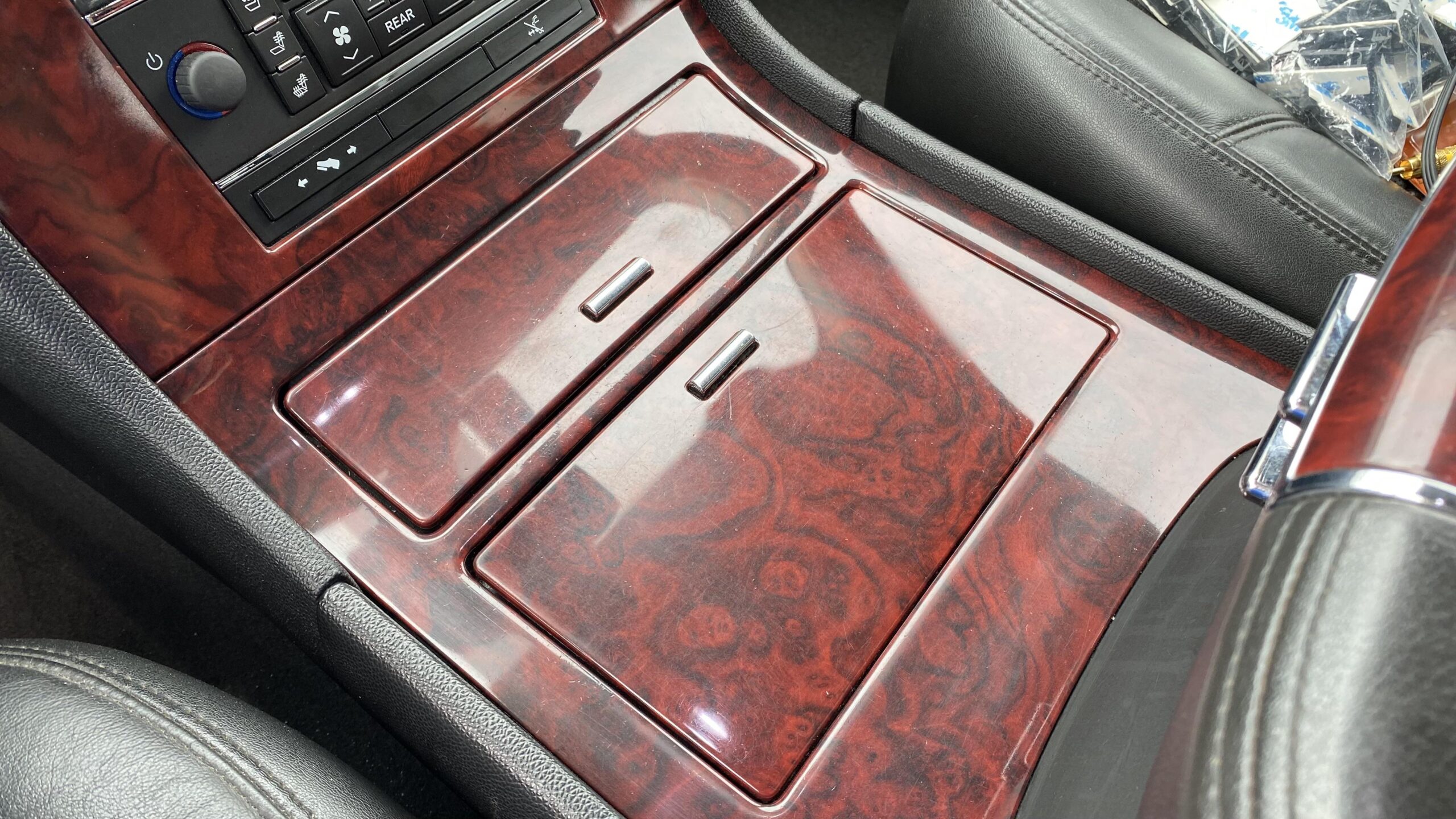
Step by Step Plastic Restoration Process
Step-by-Step Stitched by Wash Plastics Restoration Best for Faded interior Plastic Trims.
- Plastics Removal from the car – The first step is the assembly of the plastics, the car plastics are gently removed from the car, our dedicated team of technicians ensures that this is done seamlessly. It is important to mind the plastic fiting clips and not to bend/warp the car plastics interfering with their shapes.
- Thorough Cleaning – This stage entails washing with soap and water or a dedicated plastic cleaner/degreaser to remove dirt, wax, and contaminants.Depending on the extent of the plastics wear and tear state the plastics are further sanded with progressively finer grits (e.g., 150–400 grit, then 1500+), using soapy water.This is followed with plastic polishing compound and a buffer or microfiber
Wiping with isopropyl alcohol (denatured alcohol works) for a residue-free surface. Dry completely.
- Colour restore and shine – Stitched by Wash uses a dedicated plastic/trim restorers for fine Finish, the process entails a combination of best researched and most effective practices to have a complete renewed finish.
- Absorption/ treatment stage – After the restoration process, the plastics are inspected and subjected to a curing process that entails exposure to controlled sunlight.
- Polish and waxing stage – The second last stage also commonly referred to finishing entails the use of wax or sealant for protection. This works well for restoring to a “like-new” glossy. This stage entails the use of ceramic coating. This besides enhancing the glossy look also helps with long-term protection against minor scratches and UV-resistant coating.
- Fixing back interior trim – This last stage is to ensure all the plastics are assembled back to the car. The plastics are fitted back using clips, screws as per original design. Great pre-caution is taken to ensure that the plastics are not scratched post restoration and that they are fitted back well.
This process is mostly done in shade or cool places.